Tornado Interceptor Lab Paint & Customize Your Interceptor
Spray, bucket fill, and readable liveries — only after flaps and structure pass.
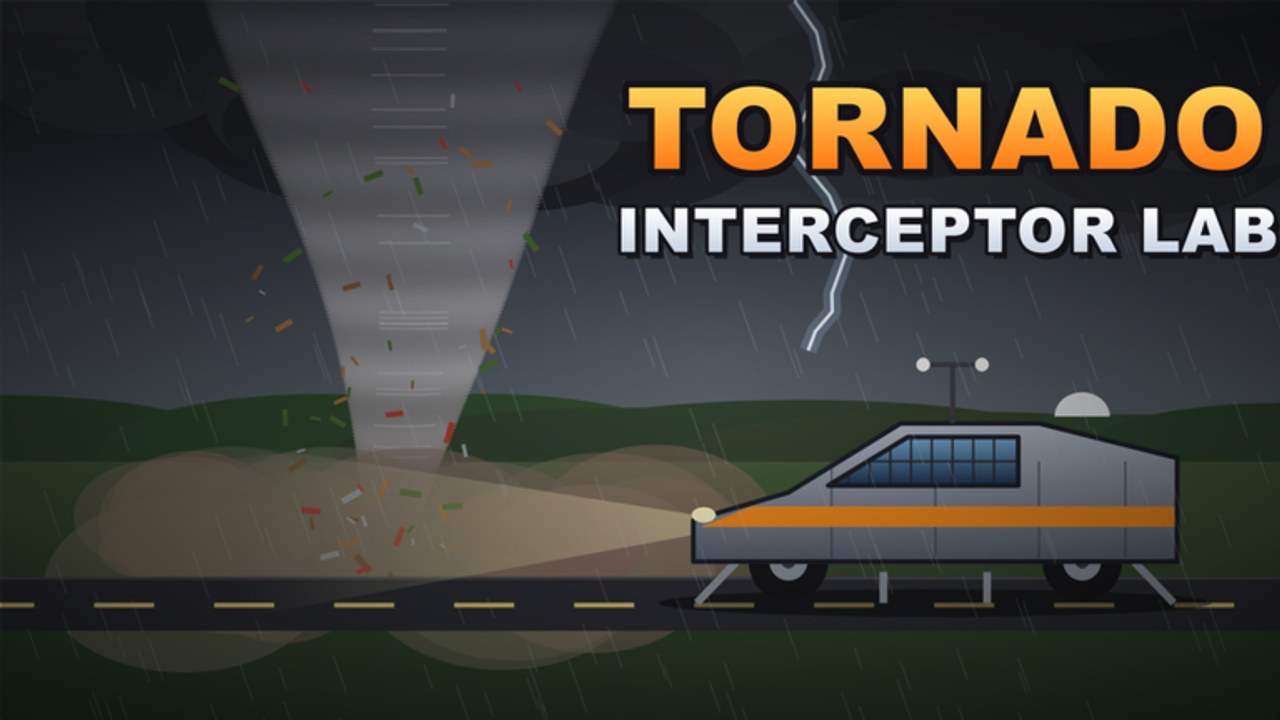
Paint is the last layer of a serious Tornado Interceptor Lab build, not the first. Arvexa studio’s Roblox Beta (free, early-access since 4 November 2026, max ten players) lets you spray liveries, fill panels, and hide construction helpers until a Cad 1–inspired shell looks ready for the feed. None of that raises wind threshold. This guide covers spray can workflow, bucket fill mode, readable colors for crowded lobbies, and the habit of painting after structure and flaps already work.
Start with How to Build and Flaps Deployment if tires still show under deploy. Customize is cosmetics plus readability — not a substitute for the community tip that a low vehicle with flaps covering the wheels adds roughly +30–50 threshold. Browse sibling tutorials from the Guides Hub.
Paint after structure — non-negotiable order
- Rolling base and low ride height
- Armor shell and hinge hardpoints
- Flaps that cover wheels on dry deploy
- Equipment you actually use
- Then spray / bucket fill / decals
- Hide-parts cleanup and final readability pass
If you paint first, you will repaint after every structural change — or worse, you will defend a pretty car that cannot seal. Dominator-style spike kits follow the same rule: aggression kits after coverage (Dominator-Style Builds).
Spray can basics
Use the spray can for edges, accents, and small panels where precision matters. Work in calm lab lighting so you can see coverage gaps on flap faces and wheel arches. Spray contrasting colors onto flap edges so you can verify deploy state at a glance during a chase — that visual check pairs with camera habits from Controls.
Tips that save time:
- Lock a primary body color before accents
- Spray flap leading edges in a high-contrast trim
- Avoid tiny speckles that disappear at storm distance
- Re-check coverage silhouette after paint so gloss does not hide a geometry fail
Bucket fill mode
Bucket fill is for large shell volumes when the mesh is clean. Fill the cabin and main armor plates first, then return with spray for trim. If fill bleeds into glass or mechanical parts you need to see, undo and mask mentally by painting in layers. Bucket fill is a speed tool, not a reason to skip hide-parts later.
When Cad 1 clones go blue, they are usually filling broad panels for recognition, not for physics. Recognition helps in a 10-player lobby; physics still comes from stance and flaps. Study Cad 1 Prototype for silhouette lessons, then pick colors that make your team’s roles obvious.
Readable liveries for 10-player lobbies
Crowded cells punish camouflage. Your teammates need to know who the flap tank is, who the scout is, and who should not block the abort road. Readable liveries mean:
- Strong value contrast (light on dark or dark on light)
- Role cues — stripes, roof blocks, or flap trim unique to your job
- Avoid all-black stealth that vanishes in debris haze
- Keep wheel-arch and flap zones visually distinct so coverage audits stay easy
| Goal | Paint idea |
|---|---|
| Flap tank | Bold body + bright flap trim |
| Scout | High-contrast nose flash |
| Spike commit | Marked aggression panels only after flaps pass |
| Teacher Cad | Classic blue or any loud, known silhouette |
Readable paint reduces friendly collisions, which protects the cash loop described in Earn Money.
Hide-parts habits
Construction helpers, scaffolding, and duplicate brushes clutter hitboxes and flap arcs if you leave them visible. After paint:
- Hide or remove helper parts that were only for alignment
- Confirm flap sweep is clear of leftover studs
- Do a gentle bay bump test so hidden geometry is not lying
- Save a revision name so you can roll back a bad cleanup
Hide-parts is part of customize because a “finished” look that still clips the flap path is unfinished. Re-run a dry deploy after cleanup every time.
What paint cannot fix
- Tall ride height
- Naked tires on deploy
- Weak hinges
- Missing engine
- Spike kits installed as a flaps substitute
If a creator thumbnail looks incredible and still flips, watch for uncovered rubber — not for missing chrome. Rare EF6 (~261+ mph) clips are especially misleading when the lesson is paint. Use Survive EF6 for exam-day rules and keep cosmetics out of the risk math.
Economy note for cosmetics
As of late November 2026 there are no verified public promo codes. Do not wait on Codes to fund a livery. Farm safe intercepts, buy survival parts first, then spend surplus on spray. Universe 10774715419 / place 132150005986776 will still be there after you bank hinges.
Workflow checklist
- Structure and flaps already pass coverage
- Primary fill applied (bucket where appropriate)
- Spray accents on flaps / arches for readability
- Role-readable in a 10-player mental test
- Helpers hidden; flap arc clear
- Dry deploy still covers wheels on a low stance
- Revision saved; next cash reserved for spares, not more gloss
Cross-links while you customize
- Build order: How to Build
- Coverage science: Flaps Deployment
- Inputs for camera checks: Controls
- Prototype reference: Cad 1 Prototype
- Aggression kits: Dominator-Style Builds
- Hub index: Guides Hub
Closing
Paint and customize in Tornado Interceptor Lab should make a correct car easier to read, not make a wrong car look finished. Spray with intent, bucket fill the big panels, hide helpers, and keep flap edges visible so threshold audits stay honest. When teammates ask for your blue Cad recipe, send the build and flaps guides first — then this page — so the lobby learns order of operations instead of cargo-cult color. Looks are optional. Covered wheels are not.
Frequently Asked Questions
Quick answers about builds, intercepts, codes, and survival.
When should I paint my interceptor?
After structure, flaps, and coverage already pass. Paint last so you do not redo liveries after every mechanical change.
What is bucket fill mode good for?
Fast color on large clean shell panels. Use spray afterward for trim, flap edges, and high-contrast details.
Why do readable liveries matter?
In lobbies up to ten players, teammates need to spot roles and avoid blocking abort roads. Contrast beats camouflage.
Does paint raise threshold?
No. Threshold comes from low stance and flaps covering the wheels (~+30–50 community tip), plus armor and hinges.
What are hide-parts habits?
Remove or hide construction helpers after painting, then re-test flap arcs so leftover geometry does not clip coverage.